
Skip to content
American Justice Notebook
Menu
  • Home
  • About The Editor/Publisher
  • Notes – Cases – Thoughts & Quotes
  • Contact’/Subscribe
Menu

The Vikings Were in Europe, North America and Asia and were Active in the Slave Trade & Other Facts

Posted on June 5, 2016

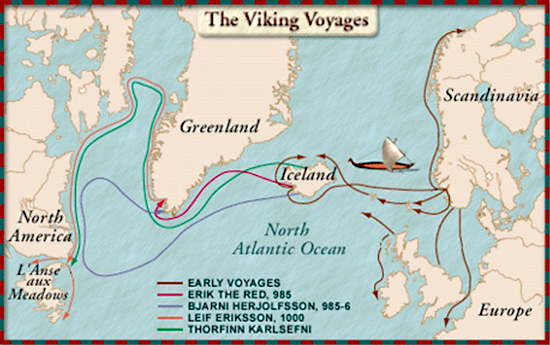
Vikings, Norse seafarers who left their homelands in Scandinavia to raid, trade, explore, and settle in wide areas of Europe, Asia, and the North Atlantic islands, from the late 8th to the mid-11th centuries, according to Nutshell.com

Also many Vikings got rich off human trafficking. They would capture and enslave women and young men while pillaging Anglo-Saxon, Celtic and Slavic settlements. These “thralls,” as they were known, were then sold in giant slave markets across Europe and the Middle East.

Viking girls got hitched as young as 12 and had to mind the household while their husbands sailed off on adventures. Still, they had more freedom than other women of their era. As long as they weren’t thralls, Viking women could inherit property, request a divorce and reclaim their dowries if their marriages ended, according to History.com

For more information about the Vikings click here: History.com

NEWS & INFORMATION

THE GUARDIAN CNN NEWS COURTHOUSE NEWS SERVICE THE NEW REPUBLIC HUFFINGTON POST CBS NEWS MSNBC NEWS MEDIA MATTERS FOR AMERICA CENTER FOR PUBLIC INTEGRITY NPR NEWS INSTITUTE FOR FREE SPEECH BBC ROLLING STONE FACTCHECK.ORG

US SUPREME COURT FEDERAL COURT WEBSITE LINKS FBI PRESS RELEASES / MOST WANTED CIA PRESS RELEASES / LIBRARY DEPARTMENT OF JUSTICE / PRESS RELEASES FEDERAL TRADE COMMISSION: HOW TO HIRE A LAWYER FEDERAL COUNTER TERRORISM GUIDE AMERICAN COURTHOUSE INFORMATION

TODAY'S QUOTE

“The best revenge is massive success.” Frank Sinatra

INVESTIGATIVE JOURNALISM

PROPUBLICA INVESTIGATIVE JOURNALISM REPORTS

“The Founding Fathers gave the free press the protection it must have to bare the secrets of government and inform the people.” – Justice Hugo Black

©2026 American Justice Notebook | Design: Newspaperly WordPress Theme