
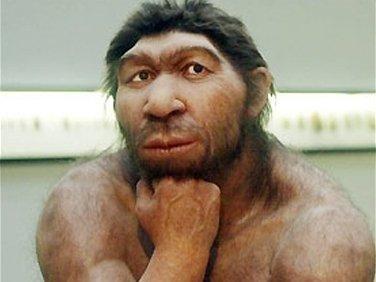
Evidence of pain-killers is just one intriguing detail pulled from a closer look at the DNA in ancient tooth plaque.

VIEW IMAGES
The jaw of a Neanderthal found in Belgium, which provided genetic clues to ancient diets via tooth buildup.
PHOTOGRAPH BY ROYAL BELGIAN INSTITUTE OF NATURE SCIENCES
PUBLISHED
It’s a good thing that Neanderthals didn’t have tartar-control toothpaste.
 What looks to us like unsightly buildup has turned out to be a goldmine for microbiologists who study human evolution. Hardened plaque harvested from Neanderthals is loaded with genetic material from plants and animals these prehistoric hominins ate, as well as remnants of microbes that reveal a surprising amount about how they lived and even what made them sick.
Researchers extracted the ancient DNA and bacteria from the jaws of three Neanderthal individuals from Belgium and Spain, and described the results in a paper published today in the journal Nature.
Perhaps more intriguing, though, were the microbial riches Weyrich’s team found preserved in the calcified plaques: The team recovered DNA from these prehistoric individuals’ microbiomes, communities of bacteria and fungi living on and inside their bodies.
To read the entire article click here: National Geographic